
How to Buy Property in Kenya as a Foreigner (2026 Complete Guide)
Kenya welcomes foreign property buyers. Whether you are a diaspora Kenyan, a retiree relocating to Nairobi, or an international investor eyeing high-yield rental markets in Karen or Westlands, the legal framework is clear and the process is straightforward — if you know the rules.
This guide covers everything a non-citizen needs to know before buying property in Kenya in 2026: what you can own, how to do it legally, the costs involved, and the pitfalls to avoid.
Can Foreigners Buy Property in Kenya?
Yes — foreigners can buy property in Kenya, but with one key restriction: non-citizens cannot hold freehold (absolute) title to land. Under Kenya’s Constitution (Article 65) and the Land Act 2012, land owned by non-citizens automatically converts to a 99-year leasehold at the point of transfer.
In practice, this means very little changes day-to-day. A 99-year leasehold is bankable, sellable, inheritable, and refinanceable. The majority of premium properties in Nairobi’s upmarket neighbourhoods — Karen, Westlands, Kilimani, Riverside Drive — are already sold on leasehold titles even to Kenyan citizens.
What Types of Property Can a Foreigner Own?
- Apartments and condominiums — fully permitted, most common entry point for foreign buyers
- Townhouses and villas — permitted on leasehold title (99 years)
- Land (standalone plots) — permitted on leasehold title; freehold title converts automatically
- Commercial property — permitted, leasehold
- Off-plan developments — permitted; ensure the developer holds clean title
Step-by-Step: How to Buy Property in Kenya as a Foreigner
Step 1 — Engage a Licensed Advocate
All property transactions in Kenya must be handled by a registered advocate (lawyer). Do not use a real estate agent as your sole legal advisor. Your advocate will conduct due diligence, prepare the sale agreement, handle title searches, and register the transfer at the land registry.
Expect to pay 1–1.5% of the purchase price in legal fees (minimum ~KES 50,000).
Step 2 — Carry Out a Title Search
Before signing anything, your advocate must conduct an official search at the relevant Land Registry to confirm:
- The seller is the registered owner
- The property is free of encumbrances (charges, caveats, liens)
- The land is not public or government-acquired land
- The size and boundaries match what is being sold
A title search costs roughly KES 500–1,000 and takes 1–3 working days.
Step 3 — Sign a Sale Agreement
Once due diligence is clean, your advocate prepares a Sale Agreement setting out the purchase price, deposit (typically 10–30%), completion date, and conditions. Both parties sign. The deposit is paid into your advocate’s client account — never directly to the seller or agent.
Step 4 — Obtain Land Control Board (LCB) Consent (Agricultural Land Only)
If the property involves agricultural land, the sale requires Land Control Board consent. For urban apartments and suburban villas in Nairobi, this step usually does not apply. Your advocate will advise.
Step 5 — Pay stamp duty and Transfer Costs
Stamp duty in Kenya is levied on the purchase price or market value (whichever is higher):
- Urban areas (Nairobi, Mombasa, Kisumu): 4% of property value
- Rural areas: 2% of property value
Stamp duty is paid through the Kenya Revenue Authority (KRA) eCitizen portal. Your advocate handles this on your behalf.
Step 6 — Registration of Transfer
Once stamp duty is paid and all documents are in order, your advocate lodges the transfer documents at the relevant Land Registry. Registration takes 30–90 days depending on the registry and current backlog. You receive the title deed in your name (as leaseholder, converted from freehold if applicable).
Full Cost Breakdown for Foreign Buyers in Kenya
| Cost | Rate | Notes |
|---|---|---|
| Stamp Duty | 4% (urban) | On purchase price or market value |
| Legal / Advocate Fees | 1–1.5% | Negotiable; min ~KES 50,000 |
| Estate Agent Commission | 1.5–3% | Usually paid by seller, confirm upfront |
| Land Registry Fees | ~0.1% | Registration and search fees |
| Valuation Fee | 0.25–0.5% | Required if financing or for stamp duty purposes |
| Total transaction cost (est.) | ~6–7% | Over and above purchase price |
Can a Foreigner Get a Mortgage in Kenya?
Yes, but options are more limited than for residents. A handful of Kenyan banks — including Kenya Commercial Bank (KCB), Stanbic, and I&M Bank — offer mortgages to non-residents, typically subject to:
- A higher deposit (30–40% vs. 10–20% for residents)
- Proof of income and employment abroad
- A Kenyan bank account and KRA PIN
- Life insurance linked to the loan
Mortgage rates in Kenya currently range from 13–17% per annum, which is high by Western standards. Many diaspora buyers prefer to purchase cash and refinance later if needed, or use a combination of savings and a home country mortgage.
Getting a KRA PIN as a Foreigner
Every property buyer in Kenya — Kenyan or foreign — must have a Kenya Revenue Authority (KRA) Personal Identification Number (PIN). Without a KRA PIN, you cannot pay stamp duty or register the transfer.
Foreigners can register for a KRA PIN online via the iTax portal using their passport number. The process takes 1–2 working days and is free. Your advocate can guide you through this.
Best Areas to Buy Property in Nairobi as a Foreigner
Karen
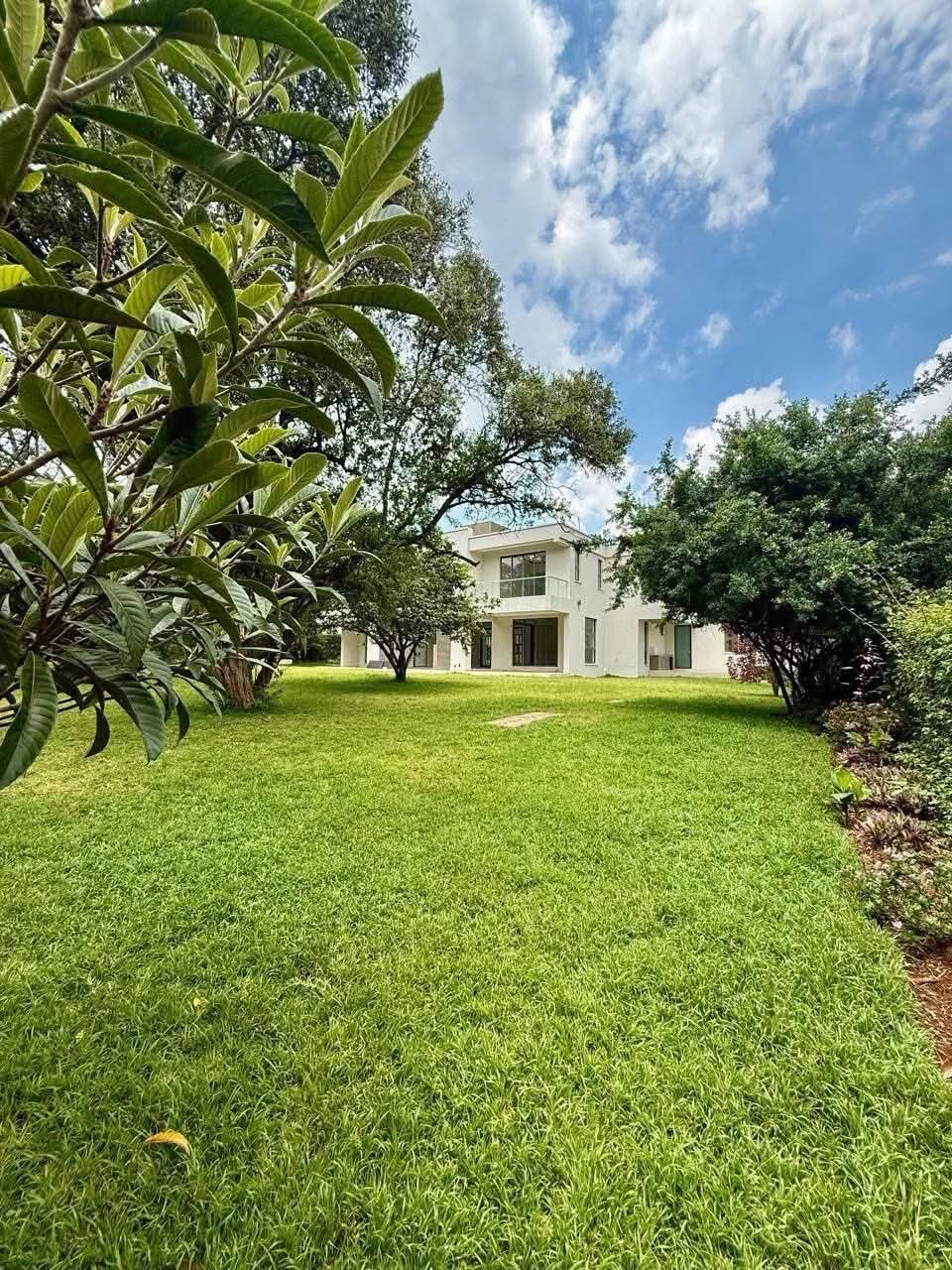
Nairobi’s most prestigious suburban neighbourhood. Large half-acre to multi-acre plots, equestrian estates, and luxury villas. Strong expat and diplomatic community. Low density, lush greenery. Entry price for a 4-bedroom villa: from KES 50M+.
Westlands
Commercial and residential hub, popular with business owners and investors. High-rise apartments with strong short-let yields (8–12% gross). Entry price for a 2-bedroom apartment: from KES 15M.
Kilimani
Dense, vibrant neighbourhood adjacent to Westlands and the CBD. Strong rental demand from young professionals and diplomats. Excellent short-let Airbnb performance. Entry: from KES 12M for a 2-bedroom.
Riverside Drive
One of Nairobi’s most exclusive addresses. Serviced apartments, corporate housing, and luxury penthouses along the Nairobi River corridor. Popular with UN and NGO staff. Entry: from KES 20M.
Runda and Muthaiga
Ultra-premium gated estates with diplomatic and high-net-worth residents. Runda: known for security, large gardens, embassy residences. Muthaiga: historic, blue-chip addresses, old money. Entry: from KES 60M.
Diaspora Kenyans vs. Foreign Nationals: Key Differences
Diaspora Kenyans (Kenyan citizens living abroad) face no restriction on freehold title — they can own land outright, as citizens. Many diaspora buyers purchase in their own name or through a family trust. The main practical consideration is having a valid Kenyan passport or ID and a KRA PIN.
Foreign nationals (non-citizens) are subject to the leasehold conversion rule. In practice, this rarely affects the buying decision for apartments or gated estate villas, where leasehold is standard.
Foreign companies can buy property in Kenya but must be registered locally with the Registrar of Companies, and the same leasehold rules apply.
Common Mistakes to Avoid
- Buying without a title search — always verify title before paying any deposit
- Paying deposits directly to agents or sellers — always pay to advocate’s client account
- Not verifying planning permissions for off-plan — check NCA approvals and NEMA compliance
- Assuming freehold = secure — leasehold is equally secure and bankable in Kenya
- Skipping the physical inspection — visit the property or instruct a trusted local agent before committing
- Not budgeting for transaction costs — plan for an additional 6–7% over the purchase price
Frequently Asked Questions
Can a foreigner inherit property in Kenya?
Yes. Foreign nationals can inherit property in Kenya. The title will convert to leasehold if freehold at the point of inheritance (if the beneficiary is a non-citizen).
Can I buy property in Kenya remotely?
Yes. Many diaspora and foreign buyers complete the entire process remotely using a Power of Attorney (PoA) granted to their advocate or a trusted local representative. The PoA must be notarised in the buyer’s country of residence and apostilled.
Do I need to be in Kenya to sign the transfer documents?
Not necessarily. With a registered PoA, your advocate can sign on your behalf. Many overseas buyers never visit Kenya for the transaction itself — though viewing the property in person (or via a trusted local agent) is always recommended.
Is buying property in Kenya a good investment in 2026?
Nairobi’s upmarket property market has shown resilience and steady appreciation over the past decade. Rental yields in Westlands and Kilimani range from 6–12% gross depending on property type, significantly higher than many Western markets. The city’s young population, growing middle class, and status as East Africa’s business hub underpin long-term demand.
Ready to Buy Property in Kenya?
VillaWatch Kenya specialises in helping foreign buyers, diaspora Kenyans, and international investors find and acquire luxury property in Nairobi. Our team offers verified listings, trusted legal referrals, and end-to-end buying support — from first viewing to title registration.
Talk to our team or browse our current property listings in Karen, Westlands, Kilimani, Riverside Drive and beyond.