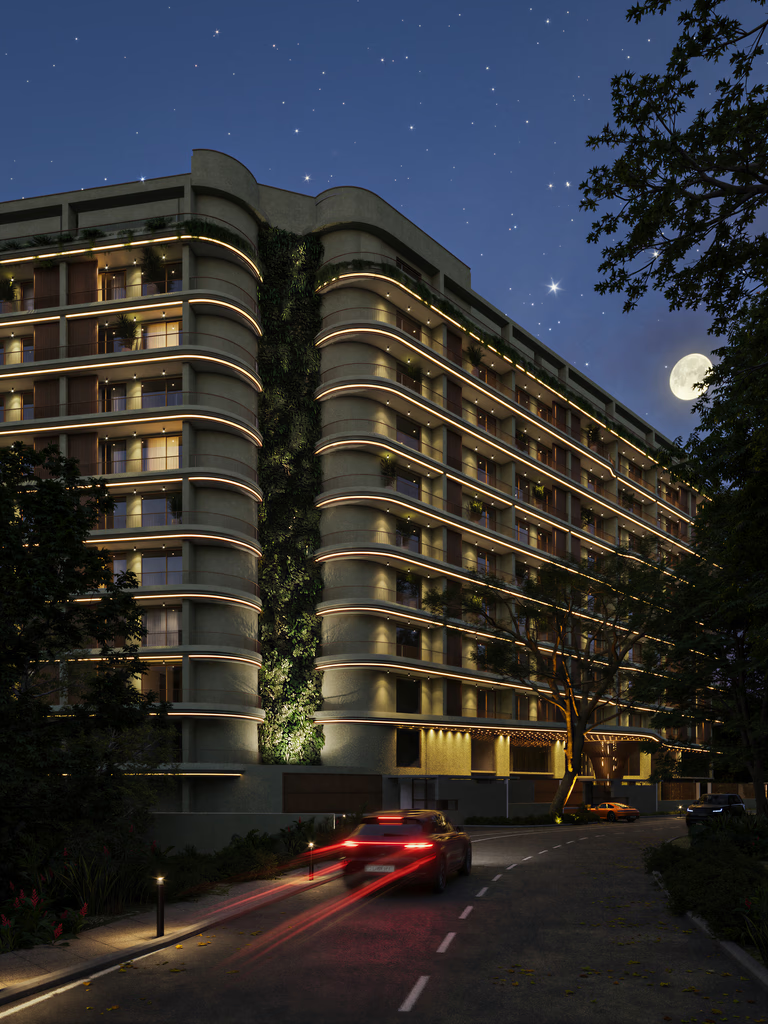
Kilimani vs Kileleshwa: Which Nairobi Neighborhood Should You Choose?
Kilimani or Kileleshwa? Kilimani is denser, central and buzzing with the strongest rental yields; Kileleshwa is quieter, leafier and more family-friendly. Compare, then explore living in Kileleshwa, below.
Kilimani and Kileleshwa sit side by side in Nairobi’s western suburbs, separated by Argwings Kodhek Road and a few hundred metres — but they offer distinctly different living experiences. Kilimani is the louder, trendier, more urban option. Kileleshwa is the quieter, greener, more residential one. Both attract similar buyer profiles (young professionals, small families, investors), and both deliver strong property returns. So which one is right for you?
This comparison breaks down prices, rental yields, lifestyle, and investment potential to help you make an informed decision — whether you’re buying to live or buying to invest.
Kilimani vs Kileleshwa at a Glance
| Factor | Kilimani | Kileleshwa |
|---|---|---|
| Vibe | Urban, trendy, walkable | Leafy, quiet, residential |
| Studio price | KES 4.5M – 7M | KES 4.2M – 6.5M |
| 2-bed price | KES 10M – 20M | KES 9M – 16M |
| 2-bed rent | KES 60K – 110K/month | KES 50K – 90K/month |
| Gross yields | 6 – 9% | 5.5 – 8% |
| Appreciation | 5 – 7% per year | 4 – 6% per year |
| Best for | Young professionals, Airbnb investors | Families, long-term stability |
Price Comparison: Buying
| Apartment Type | Kilimani (KES) | Kileleshwa (KES) | Difference |
|---|---|---|---|
| Studio | 4.5M – 7M | 4.2M – 6.5M | Kileleshwa 5–10% cheaper |
| 1 Bedroom | 6.5M – 12M | 6M – 11M | Kileleshwa 5–10% cheaper |
| 2 Bedroom | 10M – 20M | 9M – 18M | Kileleshwa 8–12% cheaper |
| 3 Bedroom | 15M – 30M | 13M – 25M | Kileleshwa 10–15% cheaper |
| Penthouse | 25M – 45M | 20M – 35M | Kileleshwa 15–20% cheaper |
Verdict: Kileleshwa is consistently cheaper — 5–15% lower across all apartment types.
Price Comparison: Renting
| Apartment Type | Kilimani (KES/month) | Kileleshwa (KES/month) |
|---|---|---|
| Studio | 30K – 45K | 25K – 38K |
| 1 Bedroom | 45K – 70K | 38K – 60K |
| 2 Bedroom | 60K – 110K | 50K – 90K |
| 3 Bedroom | 95K – 180K | 75K – 140K |
Verdict: Kilimani commands higher rents — 10–20% more than Kileleshwa for comparable units.
Rental Yield Comparison
| Metric | Kilimani | Kileleshwa |
|---|---|---|
| Average Gross Yield (Studios/1-Bed) | 7 – 9% | 6.5 – 8% |
| Average Gross Yield (2-Bed) | 6 – 8% | 6 – 7.5% |
| Average Gross Yield (3-Bed) | 5.5 – 7% | 5.5 – 6.5% |
| Vacancy Rate | Low (2–4 weeks) | Low-Moderate (3–6 weeks) |
| Tenant Profile | Young professionals, expats, couples | Families, professionals, older couples |
| Capital Appreciation (Annual) | 5 – 7% | 4 – 6% |
Verdict: Kilimani edges ahead on yield and appreciation. But Kileleshwa’s lower entry price means the actual return on invested capital can be comparable.
Lifestyle Comparison
Dining and Nightlife
Kilimani wins decisively. The density of restaurants, bars, and cafes along Argwings Kodhek, Ngong Road, and Wood Avenue is unmatched in Nairobi outside Westlands. Kileleshwa has restaurants, but you’re more likely to drive to them than walk.
Shopping
Kilimani wins. Junction Mall and Yaya Centre are Kilimani anchors. Kileleshwa has Lavington Mall (on its border) and Valley Arcade, but fewer options within the neighborhood itself.
Green Space
Kileleshwa wins. More trees, wider streets, lower density. Kileleshwa feels noticeably greener than Kilimani. The area around Kaputei Gardens has a semi-suburban feel with mature gardens and tree canopy.
Noise and Pace
Kileleshwa wins. If you want to sleep with the windows open and hear birds rather than traffic, Kileleshwa is your neighborhood.
Walkability
Kilimani wins. You can walk to restaurants, shopping, gyms, banks, and hospitals. Kileleshwa is more car-dependent.
Family Friendliness
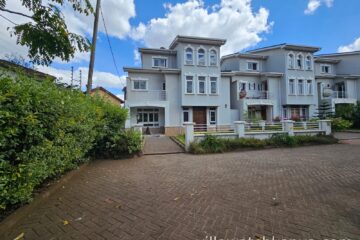
Kileleshwa wins. Quieter streets, more townhouse options, proximity to schools, and lower noise make Kileleshwa better suited for families with children.
For Young Professionals
Kilimani wins. The social scene, walkable amenities, co-working spaces, and energy of the neighborhood attract 25–35 year olds in large numbers.
Development Outlook
Kilimani
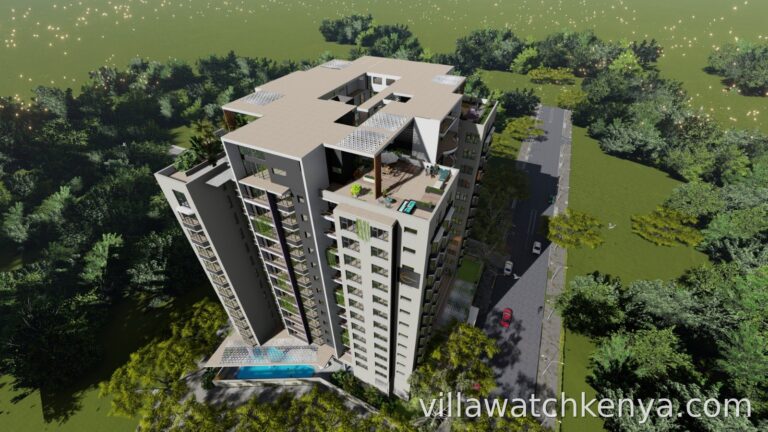
Kilimani is in the middle of a construction boom. Multiple apartment towers are under construction or recently completed. This supply is being absorbed by strong demand, but there’s a risk of short-term oversupply in specific micro-locations.
Kileleshwa
Kileleshwa is seeing moderate development — less aggressive than Kilimani but steady. The lower-density zoning in parts of Kileleshwa limits tower development, which protects the residential character and supports existing property values.
Verdict: Kilimani has more upside if the development boom succeeds, but more risk if oversupply materializes. Kileleshwa offers more stable, predictable growth.
Schools and Family Amenities
Kileleshwa edges ahead for families. Kianda School and St Austin’s Academy sit on its borders, with Strathmore School and the Lavington school belt a short drive away. Kilimani is served by Riara Group of Schools and Kilimani Junior Academy, and both neighbourhoods have quick access to Nairobi Hospital and The Nairobi Women’s Hospital along Argwings Kodhek. For daily family logistics — quieter school runs, parks and compound play areas — Kileleshwa’s lower density wins.
Transport and Accessibility
Kilimani wins on public transport, Kileleshwa on driving calm. Kilimani is sandwiched between Ngong Road and Argwings Kodhek Road, both with constant matatu service to the CBD — but it also inherits Ngong Road’s rush-hour congestion. Kileleshwa connects through Oloitokitok Road and James Gichuru Road to Waiyaki Way, giving smoother access to Westlands and the Nairobi Expressway with noticeably lighter traffic. Commuters without a car will prefer Kilimani; drivers heading to Westlands or the airport via the Expressway will prefer Kileleshwa.
Safety and Security
Both rank among Nairobi’s safer residential neighbourhoods. Virtually every apartment building in both areas has 24-hour security, perimeter walls, CCTV and controlled access, and Kilimani Police Station on Argwings Kodhek Road serves both. The practical difference is street life: Kilimani’s restaurants and bars keep streets busy late into the night — reassuring to some, noisy to others — while Kileleshwa is quiet after dark with residential-only traffic. Newer developments in both areas add electric fencing and biometric access.
Our Verdict: Who Should Buy Where?
Choose Kilimani If You:
- Are a young professional who values walkable dining, nightlife, and social life
- Want the highest possible rental yield from a small unit (studio or 1-bed)
- Prioritize convenience over tranquility
- Are buying for short-term rental (Airbnb) — Kilimani has the strongest demand
- Don’t mind construction activity and urban density
Choose Kileleshwa If You:
- Are a family with children or planning to start one
- Want a quieter, greener living environment
- Are looking for better value — more space per shilling
- Prefer a townhouse or larger apartment to a high-rise unit
- Want stability and predictable appreciation over maximum yield
- Work from home and don’t need walkable nightlife
The Hybrid Play
Some smart buyers do both: live in Kileleshwa (space, quiet, family-friendly) and invest in Kilimani (higher yields, faster appreciation). The two neighborhoods are a 5-minute drive apart, so you get the best of both worlds.
Frequently Asked Questions
Yes. Kilimani apartment prices are 5–15% higher than Kileleshwa for comparable units. Rents are also 10–20% higher. The premium reflects Kilimani’s denser amenities, trendier reputation, and higher commercial activity.
Kilimani delivers slightly higher gross yields (6–9% vs 5.5–8%), particularly for studios and 1-bedroom units. However, Kileleshwa’s lower purchase prices mean the gap in returns on invested capital is narrower.
Yes. Kileleshwa is one of Nairobi’s best neighborhoods for families — quieter streets, more green space, good schools nearby, and townhouse options with gardens.
Kilimani has appreciated faster recently (5–7% annually vs 4–6% for Kileleshwa), driven by the new development pipeline and lifestyle demand. Kileleshwa’s more constrained development supports stronger long-term price stability.
Kilimani, decisively. It has the strongest short-stay demand in Nairobi — furnished studios and 1-bedrooms earn KES 5,000–8,000 per night with high occupancy thanks to walkable dining and proximity to business districts. Kileleshwa attracts longer corporate stays at steadier but lower nightly rates.
Both are among Nairobi’s safer neighbourhoods, with 24-hour building security as standard. Kilimani’s streets stay busy late due to its nightlife, while Kileleshwa is quiet after dark with mostly residential traffic. Use the same precautions you would anywhere in the city.
Browse Properties in Both Neighborhoods
- Apartments for Sale in Kilimani
- Apartments for Sale in Kileleshwa
- 3 Bedroom Apartments for Sale in Kilimani
- Average Property Prices in Nairobi by Area
- Living in Kilimani Guide
- Living in Kileleshwa Guide
Need help choosing? A VillaWatch agent can show you comparable properties in both neighborhoods on the same day — call 0722 077 779 or WhatsApp us.