Living in Karen, Nairobi — Complete 2026 Neighbourhood Guide
Karen is Nairobi’s most prestigious suburb — spacious, green and exclusive, home to the Karen Country Club, top schools and gated estates. Browse homes for sale in Karen, or read our full area guide below.
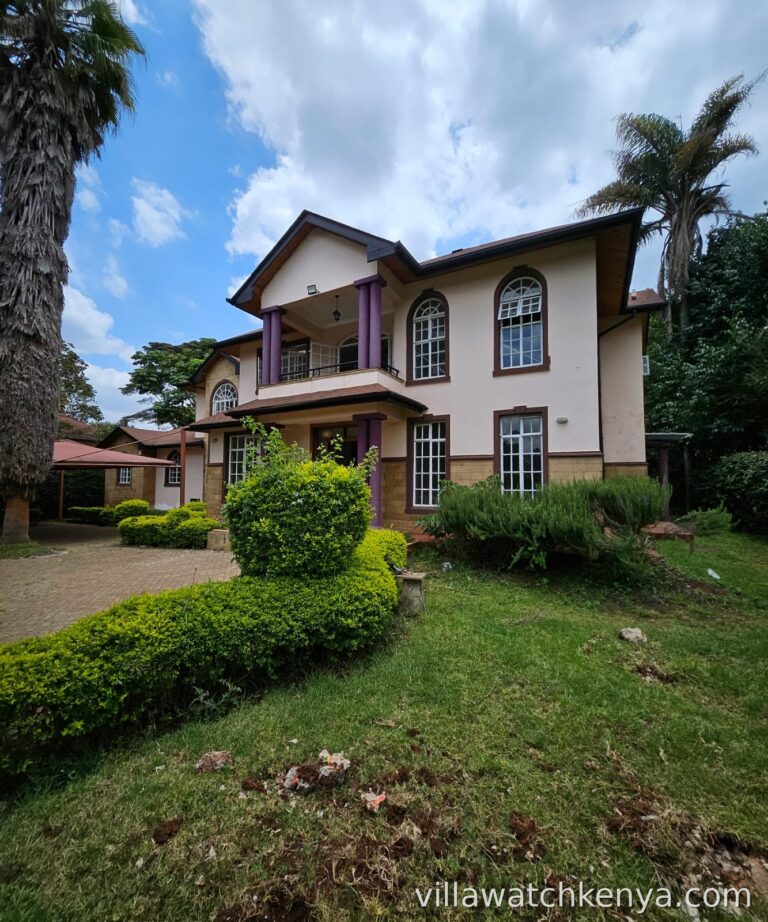
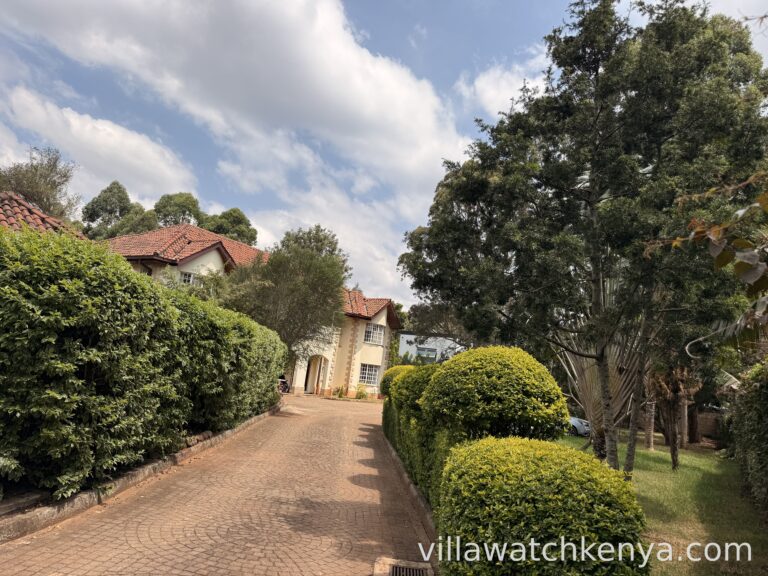
Karen is Nairobi’s most prestigious residential address — a spacious, leafy suburb that feels worlds apart from the city’s bustle yet sits just 15 kilometres from the CBD. Named after Karen Blixen, author of Out of Africa, the area retains a colonial-era charm: wide, tree-lined roads, large private plots, and a relaxed pace that has attracted Nairobi’s elite for generations.
This guide covers everything you need to know about living in Karen, Nairobi in 2026 — property prices, schools, transport, lifestyle, and whether it represents good long-term value for buyers and investors.
Where Is Karen?
Karen occupies Nairobi’s southwestern edge, approximately 12–15 kilometres from the CBD. It is bounded by Langata to the east, Rongai to the south, and the Ngong Hills to the west. The neighbourhood is accessed primarily via Ngong Road and Karen Road, which connect it to the rest of the city.
Karen is less a single neighbourhood and more a collection of estates — Hardy, Karen C, Kibagare, Silanga, Oloolua, and Bomas Road corridors each have their own character and price range within the broader Karen umbrella.
Transport & Commuting from Karen
Karen’s distance from the CBD is its most commonly cited drawback. However, infrastructure improvements have significantly improved connectivity in recent years.
- Southern Bypass: The completed Southern Bypass connects Karen directly to Westlands, Gigiri, and the airport, bypassing Nairobi’s congested centre. A Karen-to-Westlands trip now takes 20–30 minutes in off-peak traffic.
- Ngong Road: The dual carriageway connects Karen to Kilimani, Upperhill, and the CBD — though peak-hour congestion can stretch this to 45–90 minutes.
- Matatus: The No. 111 and No. 24 routes connect Karen to the CBD via Ngong Road, with frequent service throughout the day.
- Ride-hailing: Uber and Bolt serve Karen well. A trip to the CBD costs KES 700–1,200 depending on traffic.
Karen suits residents who work in Karen itself, in Westlands (via the bypass), or who can work flexibly. It is less practical for daily CBD commuters who value time over space.
Schools in Karen, Nairobi
Karen is home to an exceptional concentration of Nairobi’s best schools — one of the strongest arguments for families choosing the area.
- Hillcrest International Schools — One of Kenya’s top IB schools, located directly in Karen
- Banda School — Well-regarded British curriculum school, Karen
- Strathmore School — IGCSE and A-Level, strong academic reputation
- The Karen School — British National Curriculum, primary and secondary
- Brookhouse School — Two Karen-area campuses, IB and British curriculum
- Nairobi Waldorf School — Alternative curriculum, Karen
- Karen C Primary School — Well-performing public primary school
The density of excellent schools makes Karen the default choice for many expatriate families and senior Kenyan professionals relocating to Nairobi.
Shopping, Dining & Amenities in Karen
Shopping
- Karen Shopping Centre — The neighbourhood’s retail hub, with Naivas supermarket, banking, pharmacies, M-Pesa, salons, and a wide selection of local shops
- The Hub Karen — Modern mall with Carrefour, Zara, restaurants, a cinema, and entertainment — one of Nairobi’s best suburban malls
- Maasai Market — Regular market in Karen for arts, crafts, and local goods
- Hardy cluster — Hardy area has a strong selection of boutique shops, organic food suppliers, and artisanal retailers
Restaurants & Lifestyle
Karen offers a relaxed, village-like dining and leisure scene distinct from Kilimani’s urban buzz. Popular spots include Talisman Restaurant, Peppers Restaurant, Karen Blixen Coffee Garden, and a cluster of quality cafes around Karen Shopping Centre. The area also has excellent equestrian facilities, hiking trails into the Ngong Hills, and the Karen Country Club for golf and social events.
Healthcare
- Karen Hospital — Full-service private hospital within the neighbourhood
- Aga Khan Hospital South — Karen, comprehensive medical services
- Multiple clinics, dental practices, and specialist facilities throughout Karen
Property Prices in Karen, Nairobi (2026)
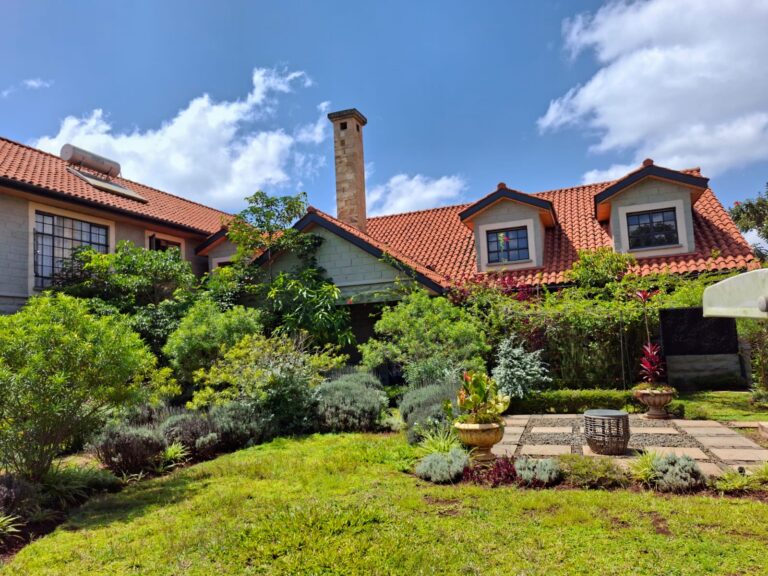
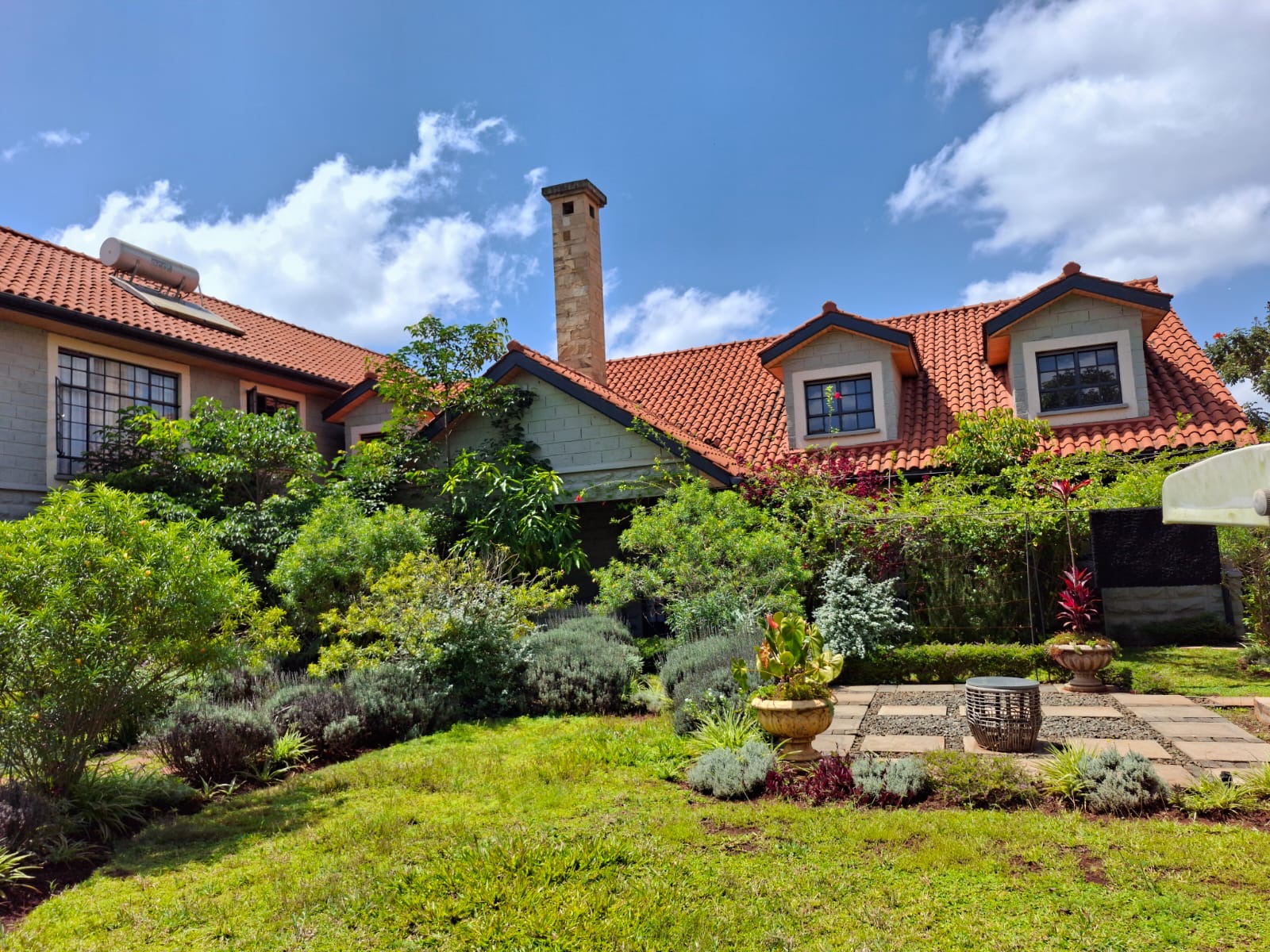
Karen is Nairobi’s premier house-and-garden market. Unlike Kilimani’s apartment-dominated landscape, Karen is characterised by large houses on generous plots — typically 0.25 to 2 acres — set behind walls and gates.
Houses for Sale in Karen
| Property Type | Plot Size | Price Range (KES) |
|---|---|---|
| 3-Bedroom House | 0.25–0.5 acre | 35M – 65M |
| 4-Bedroom House | 0.5–1 acre | 55M – 120M |
| 5-Bedroom Villa | 0.75–1.5 acres | 90M – 250M |
| 6+ Bedroom Mansion | 1–3 acres | 180M – 500M+ |
| Townhouse (gated estate) | Shared grounds | 25M – 55M |
Rental Prices in Karen
| Property Type | Monthly Rent (KES) |
|---|---|
| 3-Bedroom House | 120,000 – 200,000 |
| 4-Bedroom House | 180,000 – 350,000 |
| 5-Bedroom Villa | 300,000 – 600,000 |
| Townhouse | 90,000 – 160,000 |
Rental Yields & Investment in Karen
Karen’s investment profile differs from Kilimani’s. Rental yields tend to be lower (4%–6% gross) due to the high capital values of properties relative to achievable rents. However, Karen’s long-term capital appreciation story is compelling:
- Capital appreciation: Karen has appreciated at 6%–9% per year over the past decade, driven by limited land supply, the Southern Bypass uplift, and consistent expatriate demand
- Expatriate and diplomatic demand: Karen is the first choice for UN, NGO, and embassy staff — a reliable, long-term tenant base
- Short-supply dynamic: Large plots in Karen cannot be replicated — the neighbourhood cannot be extended, which underpins long-term values
- Corporate lettings: Many Karen houses are leased by organisations for senior expatriate staff on 1–3 year agreements, providing stable income
Safety & Security in Karen
Karen is one of Nairobi’s safest residential areas. Most properties are within gated estates or behind perimeter walls with electric fencing and 24-hour guard posts. The neighbourhood has active community security networks and consistent police presence. Incidents of crime are significantly lower than in most other Nairobi neighbourhoods, though standard security precautions — alarm systems, motion lighting, vetted household staff — remain the norm.
Pros & Cons of Living in Karen
Pros
- Nairobi’s most spacious and green residential environment
- Exceptional concentration of top schools
- Very safe — low crime rates relative to other Nairobi suburbs
- Strong long-term capital appreciation
- Excellent amenities including The Hub Karen mall and Karen Hospital
- Quiet, relaxed lifestyle with proximity to Ngong Hills, Karen Blixen Museum, and country club
- Large plots provide privacy and outdoor living space rare in Nairobi
Cons
- Long commute to the CBD during peak hours (45–90 minutes)
- Higher entry price than most Nairobi neighbourhoods
- Lower rental yields than Kilimani or Westlands
- Household running costs (water, security, gardening) are higher for large properties
- Less vibrant nightlife and urban social scene compared to Kilimani
Is Karen a Good Investment in 2026?
Karen remains one of the most fundamentally sound long-term property investments in Nairobi. Its combination of limited land supply, consistent high-quality demand, and the Southern Bypass infrastructure uplift means values have appreciated steadily and are expected to continue doing so. It suits investors with a longer time horizon (5+ years) who prioritise capital growth over immediate rental yield.
For buyers who want space, privacy, excellent schools, and a stable neighbourhood that will hold its value — Karen is the answer.
Properties for Sale in Karen
VillaWatch Kenya specialises in Karen property — from gated townhouses to landmark villas on large acreage. All listings are title-verified and physically inspected before listing.
Browse all properties for sale in Karen →
Looking for houses to rent in Karen? View Karen rental listings →
Frequently Asked Questions
How far is Karen from Nairobi CBD?
Karen is approximately 12–15 kilometres from the Nairobi CBD. Off-peak, the drive takes 20–30 minutes. During morning and evening rush hour, expect 45–90 minutes via Ngong Road.
Why is property so expensive in Karen?
Karen’s prices reflect a combination of factors: large, irreplaceable plot sizes; Nairobi’s best school cluster; consistent high-income demand from diplomats and senior executives; and limited new supply. The Southern Bypass has also significantly increased Karen’s accessibility, adding to its attractiveness.
Is Karen good for families?
Karen is arguably Nairobi’s best neighbourhood for families. The combination of spacious homes, large gardens, outstanding schools, low crime rates, and a relaxed community atmosphere makes it ideal for raising children.
nnn