Tigoni Property Guide 2026 — Land Prices, Houses for Sale, Tea Farms & Why Investors Are Rushing In
Tigoni, in Limuru, is a cool, scenic highland area known for tea farms and large residential plots, about 30 km from Nairobi. See houses and land for sale in the area, or read our full Tigoni property guide below.
Tigoni is quickly becoming one of the most talked-about property destinations in Kiambu County. Perched at over 2,000 metres above sea level on the scenic ridges between Limuru and Kiambu town, this former tea-farming enclave is undergoing a transformation that has property investors, homebuyers, and developers paying very close attention. With breathtaking views, a cool highland climate, proximity to Nairobi, and land prices that still offer genuine value, Tigoni in 2026 represents one of Kenya’s most compelling real estate opportunities.
Where Is Tigoni?
Tigoni is a highland area located in Limuru Sub-County, Kiambu County, approximately 25 kilometres northwest of Nairobi CBD. It borders Limuru town to the west, Banana Hill and Ruaka to the south, and Kiambu town to the east. The area is accessible via the Limuru Road (A3 highway), the Northern Bypass, and several connecting routes through Banana Hill and Ndenderu.
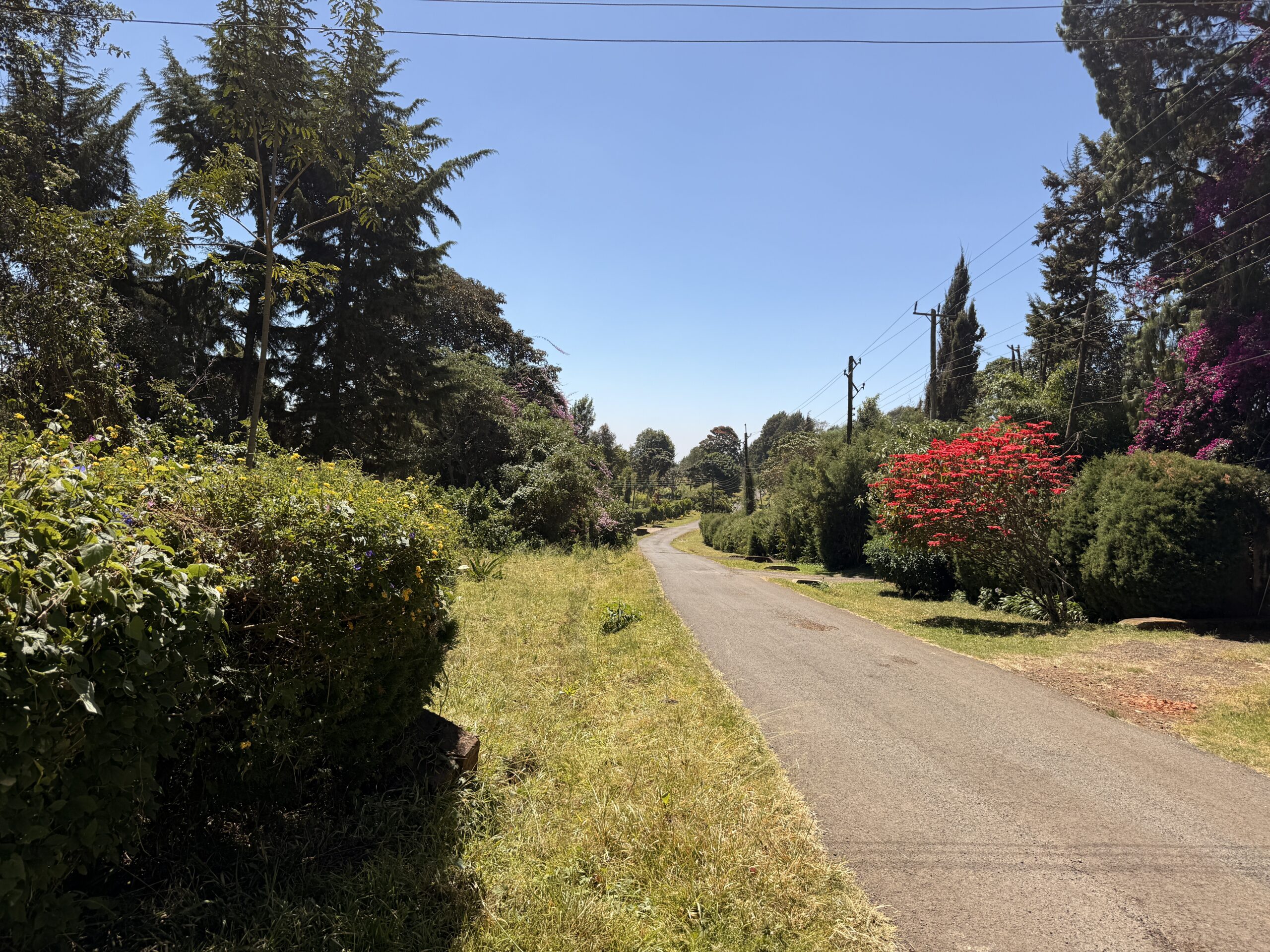
Historically known for its sprawling tea estates and coffee farms, Tigoni sits in one of Kenya’s most fertile and climatically blessed zones. The area receives reliable rainfall, enjoys temperatures that rarely exceed 22°C, and is blanketed in the kind of lush green vegetation that makes it feel worlds apart from the concrete heat of Nairobi — despite being less than an hour’s drive from the CBD.
Land Prices in Tigoni 2026
Land in Tigoni offers some of the best value in the greater Kiambu County market, particularly when you factor in the area’s climate, views, and development trajectory. Here is what you can expect to pay in 2026:
⅛ acre plots (50 x 100): KES 2 million to KES 5 million. Plots with tarmac road access and views of the Rift Valley escarpment or the Tigoni tea fields command premium prices. Budget-friendly plots further from the main road start around KES 2 million.
¼ acre plots: KES 3.5 million to KES 8 million. Quarter-acre plots are popular with buyers planning to build family homes. Gated estate plots with shared infrastructure cost more but offer road networks, water, and security from day one.
½ acre plots: KES 6 million to KES 15 million. Half-acre plots in Tigoni suit buyers seeking spacious homesteads with room for gardens, orchards, or small-scale farming alongside a residential home.
1 acre: KES 10 million to KES 25 million. Prime acres with panoramic views, mature trees, and road frontage are increasingly scarce and fetch top prices. Agricultural-zoned acres away from residential areas are more affordable at KES 8–12 million.
5+ acres (bulk agricultural land): KES 5 million to KES 15 million per acre. Large parcels from subdivided tea and coffee estates are available for developers and institutional buyers. These offer the best per-acre rates and significant development potential.
Houses for Sale in Tigoni
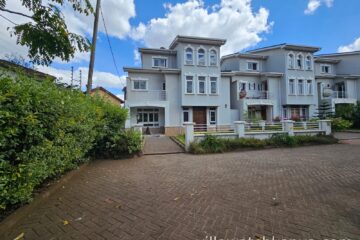
The Tigoni housing market is evolving rapidly. Where once the area was dominated by old colonial farmhouses and workers’ cottages, today a new generation of modern homes is reshaping the landscape.
3-bedroom bungalows: KES 8 million to KES 18 million. Modern bungalows on ⅛ to ¼ acre plots offer open-plan living, fitted kitchens, and the kind of outdoor space that is impossible to find at this price in Nairobi’s established suburbs.
4-bedroom maisonettes: KES 15 million to KES 30 million. Two-storey homes in gated developments are the fastest-growing segment in Tigoni. Developers are building estates with modern finishes, paved roads, water boreholes, and perimeter security.
5-bedroom luxury homes: KES 25 million to KES 60 million. High-end homes on ½ acre or larger plots with panoramic views, landscaped gardens, staff quarters, and premium finishes are attracting buyers who would previously have looked only at Karen or Runda.
Farmhouses and country homes: KES 20 million to KES 80 million. Renovated colonial-era farmhouses and newly built country homes on 1–5 acre plots offer a lifestyle that is unique to the Tigoni highlands — think morning mist rolling over tea fields, mature jacaranda trees, and complete privacy.
Tigoni Tea Farms and Agricultural Land
Tigoni’s identity is inseparable from its tea heritage. The area is home to some of Kenya’s most productive tea farms, and the Tigoni Tea Research Institute (now part of the Kenya Agricultural and Livestock Research Organization — KALRO) has been a centre for tea science for decades.
For investors interested in agricultural land, Tigoni offers fertile volcanic soil, reliable rainfall of 1,200–1,500mm annually, and a cool climate ideally suited to tea, coffee, macadamia nuts, avocados, dairy farming, and horticultural crops. Agricultural land prices range from KES 5 million to KES 12 million per acre depending on soil quality, water access, and proximity to roads.
Several large tea estates in the Tigoni area have been subdivided for residential and mixed-use development in recent years. This trend is expected to continue, opening up new parcels for both farming and housing. Buyers seeking agricultural land should move quickly — once subdivided for residential use, these fertile acres rarely return to farming.
Why Investors Are Rushing to Tigoni
Several converging factors explain why Tigoni has moved from a quiet farming area to one of Kiambu County’s hottest property markets:
Climate and lifestyle: Tigoni’s highland climate is genuinely unique in the Nairobi metropolitan area. Average temperatures of 12–22°C year-round mean no need for air conditioning, lush natural landscaping, and a quality of air that urban Nairobi cannot match. For buyers escaping the heat and congestion of the city, Tigoni offers a lifestyle that feels like a permanent retreat.
Views: Elevated plots in Tigoni offer panoramic views of the Great Rift Valley escarpment, Mount Longonot, and the rolling tea-covered hills that define the Limuru landscape. These views are a permanent amenity that adds lasting value to any property.
Proximity to Nairobi: Despite feeling far removed from the city, Tigoni is just 25–35 minutes from Westlands via the Northern Bypass and Banana Hill route. The ongoing road improvements along the Limuru corridor are further reducing commute times, making Tigoni viable for daily commuters.
Infrastructure improvements: Kiambu County has invested in road upgrades, water supply expansion, and electricity distribution in the Tigoni area. Fibre-optic internet is now available in many parts of Tigoni, enabling remote work — a game-changer for professionals who no longer need to live near their office.
Affordability gap: Comparable land in Karen costs KES 50–100 million per acre. In Runda, you are looking at KES 60–120 million. In Tigoni, prime residential acres start at KES 10 million — a fraction of the price for a lifestyle that rivals or exceeds these established suburbs in terms of natural beauty and tranquillity.
Development momentum: New gated communities, modern estates, and mixed-use projects are launching across the Tigoni area. Each new development brings better infrastructure, services, and amenities, creating a positive cycle that drives up property values for existing landowners.
Best Areas to Buy Property in Tigoni
Tigoni Ridge: The premium micro-location offering the best Rift Valley views. Land here fetches the highest prices but rewards buyers with unmatched scenery and the most desirable address in the area.
Tigoni town centre area: Closest to shops, schools, and services. Ideal for buyers wanting walkable convenience alongside the Tigoni lifestyle. Slightly higher density but excellent for rental investment.
Limuru-Tigoni corridor: The stretch between Limuru town and Tigoni offers a mix of old farm properties and new developments. Good road access via the main Limuru highway makes this suitable for commuters.
Ngecha-Tigoni area: More rural character with larger plots available at lower prices. Appeals to buyers seeking farmsteads, country retreats, or large-scale development land.
Kentmere-Tigoni area: Named after the historic Kentmere Club, this area offers an established residential character with mature trees and a mix of old and new homes. Popular with expatriates and diplomatic families.
Schools, Amenities and Lifestyle in Tigoni
Tigoni and the surrounding Limuru area offer a surprisingly rich selection of schools and amenities. Loreto Convent Limuru, Tigoni Teachers College, and Cianda Primary School serve the local community, while premium institutions including St. Mary’s School, Kijabe Boys, and international schools along the Banana Hill corridor are within easy reach.
Healthcare services are available at Tigoni District Hospital and several private clinics, with Nairobi’s major hospitals accessible within 30–40 minutes. Shopping is centred on Limuru town’s growing commercial district, while larger retail options at Two Rivers Mall, Village Market, and the Banana Hill shopping centres are a short drive away.
The Tigoni lifestyle is defined by its connection to nature. Weekend activities include walks through tea estates, visits to the Ondiri Swamp (a unique floating bog), cycling along quiet farm roads, and horse riding at nearby equestrian centres. The Kentmere Club offers golf, tennis, and social events for members. For food enthusiasts, the Limuru area has a growing farm-to-table dining scene, with several restaurants and cafes drawing visitors from Nairobi.
Tigoni Property Investment Outlook
Tigoni is at the early stages of a property boom that mirrors what happened in Ruaka, Kileleshwa, and Syokimau a decade ago — and what happened in Karen and Runda thirty years before that. The fundamentals are strong: limited land supply as tea estates are gradually subdivided, growing demand from Nairobi’s expanding middle and upper-middle class, improving infrastructure, and a lifestyle proposition that is genuinely difficult to replicate elsewhere.
Land values in the broader Tigoni-Limuru area have appreciated by 10–15% annually over the past five years. With the continued expansion of the Northern Bypass connections and the growing trend toward remote work, this appreciation trajectory is expected to accelerate. Buyers who secure land or property in Tigoni today are positioning themselves on the early side of a significant value curve.
Rental demand is also emerging, particularly for furnished country homes targeting the short-stay and weekend retreat market. Nairobi residents increasingly seek weekend getaways that don’t require hours of driving, and a well-finished home in Tigoni with views and a fireplace can command KES 15,000–25,000 per night on platforms like Airbnb.
Due Diligence Tips for Buying in Tigoni
Verify land title status: Some Tigoni properties sit on former group ranch or agricultural land that may have restrictions. Ensure you are buying freehold land with a clean title deed verified at the Kiambu County lands office.
Check zoning: Land zoned for agricultural use may require a change-of-use application before residential development. This process takes time and involves county government approvals.
Water access: While Tigoni receives good rainfall, piped water coverage is uneven. Confirm borehole potential or existing water connection before purchasing. Most successful developments drill their own boreholes.
Road access: Some interior plots are accessible only via murram roads that can be challenging in wet weather. Inspect access routes during the rainy season and budget for road contribution fees in developing estates.
Engage a local surveyor: Boundary disputes can arise in areas where large farms have been recently subdivided. A licensed surveyor will verify your plot’s exact boundaries and confirm they match the title deed.
Explore Tigoni and Kiambu Road Properties on VillaWatch
VillaWatch Kenya features verified property listings across Tigoni, Limuru, and the broader Kiambu Road corridor. From affordable plots to luxury country homes with Rift Valley views, our curated listings help you find the right investment. Browse Kiambu Road and Tigoni properties now or contact our team for expert guidance on the Tigoni property market.
Related Property Guides
- Mushroom Gardens Estate Kiambu Road — Nearby exclusive community
- Cost of Land in Kitengela — Compare satellite town land prices
- How to Buy Property in Kenya as a Foreigner